
Gold Assay and Purity Testing in Uganda (Africa) Explained
Learn how gold assay and purity testing works in Uganda. Understand fire assay, XRF testing, and how international buyers verify gold before export.
BUY GOLD IN AFRICA
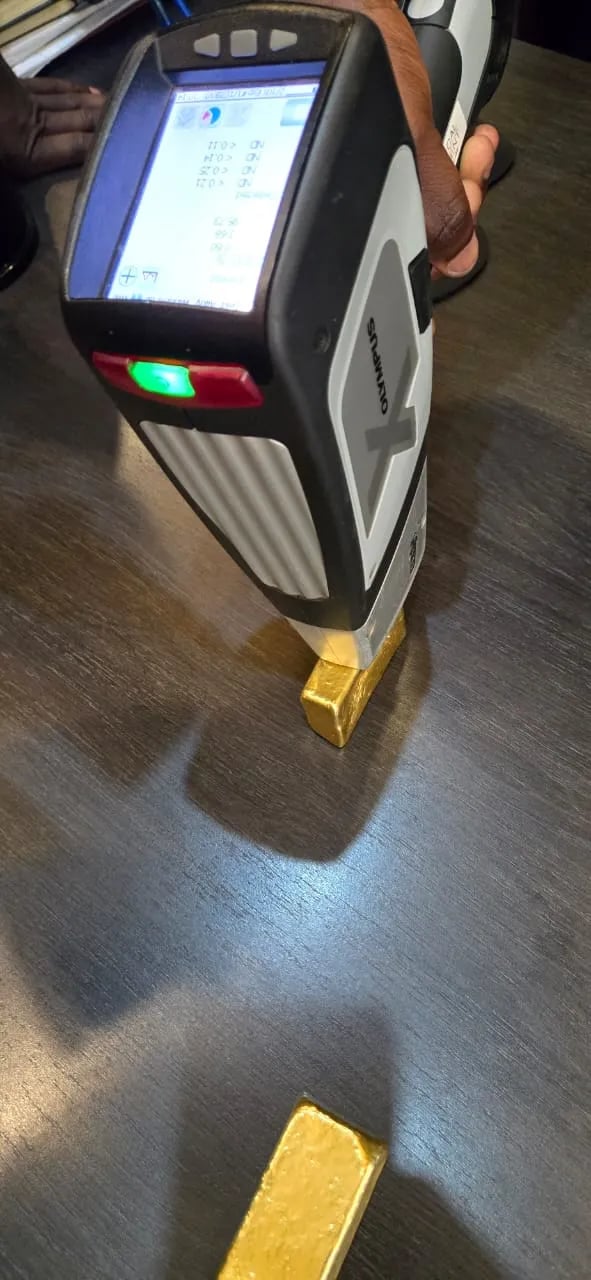
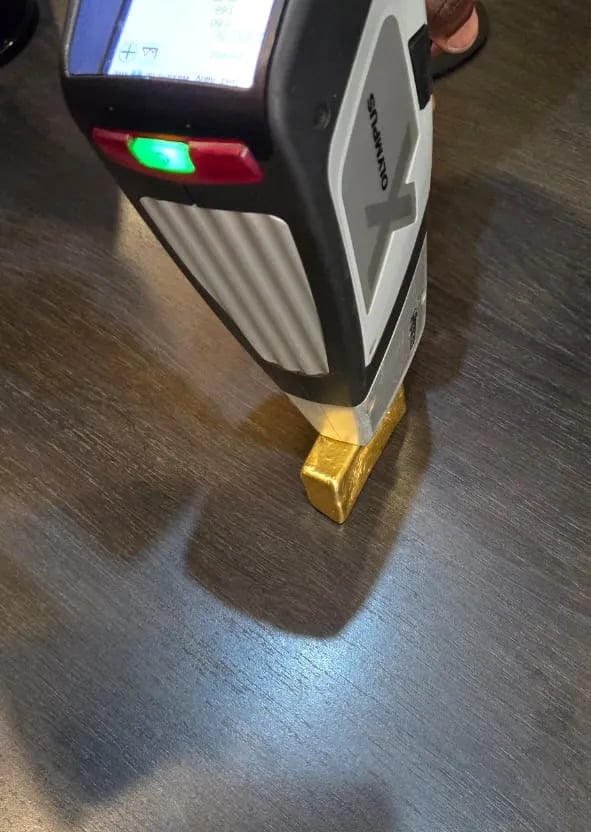
Gold purity is one of the first concerns serious buyers have when sourcing gold internationally. Before any transaction is completed, buyers need confirmation that the gold they are purchasing contains the purity and weight claimed by the seller.
This verification process is known as gold assay testing.
In Uganda one of East Africa’s emerging gold trading hubs assay testing plays a critical role in ensuring transparency, compliance, and confidence in gold transactions.
For buyers purchasing 1kg–100kg or more, understanding how assay testing works helps prevent costly mistakes and protects the integrity of the transaction.
This guide explains how gold purity testing works in Uganda, how international buyers verify assay results, and how legitimate gold transactions confirm metal authenticity before shipment.
Why Gold Purity Testing Matters
Gold traded internationally is rarely assumed to be pure without testing.
Even when gold appears genuine, impurities or mixed metals can affect its true value. Assay testing confirms:
the percentage of gold contained in a bar or nugget
the presence of other metals
the exact weight and composition
For international buyers, assay testing is essential because it provides objective scientific verification rather than relying on verbal claims or visual inspection.
Professional gold transactions always include purity testing before shipment or final payment.
What Is a Gold Assay?
A gold assay is a scientific process used to determine the purity and composition of gold.
The result of an assay indicates how much of the metal is actually gold compared to other elements such as silver, copper, or platinum.
For example:
99.99% purity = investment-grade gold
96–98% purity = common for doré bars produced in mining regions
Assay results allow buyers and sellers to agree on the true value of the gold being traded.
Main Methods Used to Test Gold Purity
Two testing methods are commonly used in the international gold trade.
Fire Assay (The Most Accurate Method)
Fire assay is considered the global standard for gold purity testing.
This process involves:
Melting a sample of the gold in a controlled laboratory furnace
Separating gold from other metals
Measuring the precise gold content
Fire assay is extremely accurate and is widely used by refineries and bullion laboratories worldwide.
Because of its precision, fire assay is often used for final verification before large gold transactions are completed.
XRF Testing (Rapid Surface Analysis)
X-ray fluorescence testing, commonly known as XRF, is another widely used method.
This test works by directing X-rays at the metal surface and analyzing the reflected energy to determine its composition.
XRF testing is popular because it is:
fast
non-destructive
capable of providing instant results
However, XRF only analyzes the surface composition, which is why many serious buyers prefer confirmation with fire assay when dealing with large volumes.
How Gold Assay Testing Works in Uganda
Uganda has developed a growing gold trading infrastructure that includes licensed laboratories and government oversight for mineral exports.
Gold assay verification in Uganda typically involves regulatory authorities such as the
Directorate of Geological Survey and Mines.
This institution oversees mineral trade compliance and ensures export procedures follow national regulations.
Gold exports are also monitored by the
Uganda Revenue Authority, which verifies export declarations and tax compliance.
Once gold is tested and verified, shipments are commonly exported through secure air cargo routes departing from
Entebbe International Airport.
For international buyers, this regulatory framework helps create a structured environment where gold purity can be confirmed before shipment.
When Purity Testing Happens During a Gold Transaction
In professional gold transactions, purity testing usually occurs before final shipment or payment.
A typical sequence looks like this:
Buyer and seller exchange company verification documents
Gold sample or bar is inspected
Assay testing is performed
Purity and weight are confirmed
Contract terms are finalized
Export clearance begins
Shipment is arranged under agreed CIF or FOB terms
This process ensures both parties have confidence in the metal being traded.
What a Legitimate Gold Assay Report Includes
Authentic assay reports contain specific details that allow buyers to verify the results.
Typical information includes:
laboratory name and location
sample identification number
weight of the tested gold
percentage purity of gold
date of testing
testing method used
These details allow the assay report to be traced back to the laboratory that performed the test.
Professional buyers often verify assay reports directly with the testing laboratory when dealing with large transactions.
How International Buyers Can Verify Gold Assay Results
Serious buyers often take additional steps to confirm assay accuracy.
These may include:
requesting testing from independent laboratories
sending representatives to observe testing
arranging third-party verification services
conducting follow-up testing after shipment
This layered verification process ensures the gold meets contractual specifications.
Legitimate suppliers understand these procedures and typically cooperate with reasonable verification requests.
Common Assay Fraud Tactics Buyers Should Know
Although assay testing provides scientific verification, fraud attempts still occur in the gold trade.
Understanding common tactics helps buyers avoid problems.
Fake Laboratory Reports
Some fraudsters create fabricated assay documents using fake laboratory names or altered results.
Verifying the laboratory directly helps eliminate this risk.
Manipulated Surface Tests
In rare cases, gold bars may be coated or treated to appear pure during XRF testing.
This is why many serious buyers prefer fire assay confirmation when purchasing larger quantities.
Bar Substitution
Another tactic involves switching gold bars after testing but before shipment.
Professional transactions prevent this through:
bar numbering
sealed packaging
documented custody procedures
Why Purity Testing Builds Trust in Gold Transactions
Gold trading is ultimately built on trust supported by verification.
Assay testing provides an objective method for confirming the value of the metal being sold.
When buyers and sellers agree on transparent testing procedures, transactions become smoother and more predictable.
Professional suppliers typically encourage proper assay verification because it reinforces credibility and ensures long-term relationships with buyers.
Gold Assay Testing and East Africa’s Growing Gold Trade
East Africa has become an increasingly important region for gold trading and refining.
Uganda, in particular, has developed a reputation as a regional trading hub connecting gold supply from several neighboring countries.
As this trade grows, proper verification including purity testing remains one of the most important safeguards for international buyers.
Companies that operate with transparent documentation, licensed testing procedures, and structured transactions tend to build stronger and more sustainable partnerships with global clients.
Final Thoughts
Gold assay testing is one of the most important steps in any international gold transaction.
By confirming the purity and composition of gold through recognized testing methods, buyers and sellers can conduct transactions with confidence.
In Uganda, the presence of regulatory oversight, licensed laboratories, and export procedures helps support a structured environment for gold trading.
For serious international buyers, understanding how purity testing works and verifying assay results through proper channels is an essential part of building secure and transparent gold supply relationships.
Frequently Asked Questions
What is a gold assay?
A gold assay is a scientific test used to determine the purity and composition of gold.
Which method is most accurate for testing gold?
Fire assay is considered the most accurate method for determining gold purity.
Can gold purity be tested without damaging the metal?
Yes. XRF testing allows non-destructive surface analysis, although it may be supplemented with fire assay for greater accuracy.
Is gold assay testing required before export?
Most professional gold transactions include purity testing before export to confirm the value of the metal being shipped.
BAM GOLD TRADERS UGANDA LTD
Direct From Uganda’s Miners To Serious Buyers Worldwide.
+256794 309557