
How to Verify a Legitimate Gold Seller in Africa
Learn how to verify legitimate gold sellers in Africa before buying. Discover the due diligence process serious international buyers use to avoid scams and secure safe gold transactions.
BUY GOLD IN AFRICA

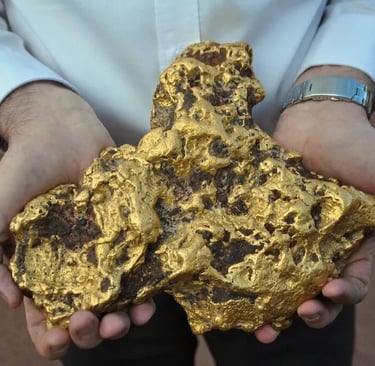
Africa is one of the world’s most important gold-producing regions. Countries across West, Central, and East Africa supply large volumes of gold to global markets each year.
But alongside legitimate trading companies, the industry also attracts fraud networks and opportunistic intermediaries targeting international buyers.
For investors purchasing 1kg–100kg of gold, the difference between a legitimate supplier and a fraudulent operation often comes down to proper verification before any funds are transferred.
Professional buyers do not rely on promises or documentation alone. They follow a structured due diligence process that confirms the supplier’s legitimacy, compliance, and operational capability.
This guide explains how serious international buyers verify legitimate gold sellers in Africa before entering a transaction.
Quick Verification Checklist for Gold Buyers
Before wiring funds or signing a purchase agreement, experienced buyers confirm several critical factors.
A legitimate gold seller should be able to provide:
Registered company documentation
Government-issued trading or export license
Export permit and certificate of origin
Verifiable physical office location
Clear transaction structure and contract
If any of these elements cannot be verified, the transaction should pause immediately.
Professional gold deals are built on documentation, transparency, and compliance.
Step 1: Verify the Company’s Legal Registration
The first step in verifying any gold supplier is confirming that the business is legally registered.
A legitimate company should provide:
Certificate of incorporation
Company registration number
Tax identification number
Buyers can cross-check these details through official government registries.
For example, companies operating in Uganda should be registered with the
Uganda Registration Services Bureau.
Verifying company registration confirms that the entity legally exists and operates within the country’s commercial framework.
Step 2: Confirm Mining or Export Licensing
In most African countries, gold trading requires government authorization.
Legitimate suppliers typically hold licenses issued by national mining authorities.
For example, companies exporting gold from Uganda must operate under oversight from the
Directorate of Geological Survey and Mines.
This authority regulates:
mineral trading licenses
export approvals
compliance with mining regulations
A credible supplier should have no hesitation providing license details for verification.
Step 3: Verify Assay Reports and Gold Purity
An assay report confirms the purity and weight of gold.
Professional gold sellers typically provide:
Fire assay results
XRF analysis reports
Documentation from recognized laboratories
Buyers should verify that the assay certificate includes:
bar identification numbers
weight measurements
purity percentage
testing laboratory details
Where possible, experienced buyers arrange third-party verification before finalizing large transactions.
Assay verification ensures that the gold offered actually matches the claimed purity.
Step 4: Confirm Export Documentation
Gold exports require specific documentation in most African jurisdictions.
Typical export documentation includes:
Export permit
Certificate of origin
Commercial invoice
Assay certificate
Customs declaration
In Uganda, exports are typically processed with oversight from the
Uganda Revenue Authority.
This agency ensures export taxes, customs declarations, and compliance requirements are properly handled.
Serious buyers confirm these documents before shipment begins.
Step 5: Verify Physical Presence
Legitimate gold suppliers usually operate from verifiable offices or trading facilities.
Buyers should confirm:
physical business address
local contact numbers
office registration
When possible, buyers may conduct:
in-person visits
third-party inspections
local legal verification
Companies unwilling to disclose a physical location or conduct professional communication should be approached with caution.
Step 6: Review the Transaction Structure
Professional gold transactions follow a structured process.
This process usually includes:
Mutual KYC exchange
Letter of Intent from buyer
Full Corporate Offer from seller
Sales and Purchase Agreement (SPA)
Assay verification
Export clearance
Shipment under agreed terms
Serious sellers expect this level of structure.
Transactions that skip these steps often indicate unprofessional or fraudulent operations.
Common Gold Scams in Africa
While legitimate trading companies operate throughout Africa, the industry also attracts fraud schemes targeting inexperienced buyers.
Understanding common scams helps buyers recognize warning signs early.
Clearance Fee Scam
One of the most common schemes involves requesting “government clearance fees” before a contract or shipment exists.
Victims are told the funds are needed for customs or export approvals.
In legitimate transactions, government payments are documented through official receipts and are rarely requested upfront without proper documentation.
Fake Gold Inventory
Fraudsters may claim to hold large quantities of gold but cannot provide verified assay reports, documentation, or physical inspection opportunities.
Professional buyers treat unverified inventory claims with skepticism.
Fake Assay Certificates
Some scammers provide manipulated assay documents that appear legitimate but originate from non-existent laboratories.
Verification with the issuing laboratory can quickly expose these schemes.
Unrealistic Pricing Offers
Offers significantly below global gold prices are another common warning sign.
Serious gold suppliers price their product relative to international market benchmarks.
If an offer appears dramatically cheaper than market price, buyers should investigate carefully.
Red Flags That Reveal Fraudulent Gold Sellers
Several warning signs consistently appear in fraudulent transactions.
Buyers should exercise caution when encountering:
extreme price discounts
pressure to send funds quickly
refusal of third-party verification
vague contract terms
requests for undocumented payments
Legitimate suppliers understand the importance of due diligence and rarely resist verification procedures.
How Professional Buyers Conduct Gold Due Diligence
Institutional buyers and experienced investors typically follow strict verification protocols before entering gold transactions.
These may include:
KYC exchange between buyer and seller
legal verification through local attorneys
third-party inspection services
assay verification from recognized laboratories
contract review by commodity trade specialists
This structured approach reduces risk and builds confidence in the transaction.
Verifying Gold Sellers in East Africa
East Africa has become an increasingly important region in global gold trading, particularly in countries such as Uganda, Kenya, and Tanzania.
Uganda, in particular, has developed into a regional trading hub due to its refining capacity and logistics infrastructure.
Gold exports from the country typically move through secure air cargo networks departing from
Entebbe International Airport.
For international buyers sourcing gold from East Africa, verification should focus on:
company licensing
export permits
assay certification
structured transaction procedures
When these elements are present, buyers can confidently establish long-term supply relationships.
How Legitimate Gold Transactions Are Structured
Reliable gold suppliers operate within a predictable transaction framework.
A typical deal may follow these stages:
Initial buyer inquiry and introduction
Mutual KYC exchange
Buyer issues Letter of Intent (LOI)
Seller provides Full Corporate Offer (FCO)
Contract negotiation and SPA signing
Assay verification
Export clearance and logistics preparation
Shipment under agreed CIF or FOB terms
This structure ensures transparency and protects both parties throughout the transaction.
Final Thoughts
Africa remains one of the world’s most significant sources of gold supply, and many legitimate trading companies operate across the continent.
However, buyers must approach transactions with structured verification and professional due diligence.
By confirming company registration, verifying licenses, reviewing assay documentation, and following proper transaction procedures, international buyers can confidently identify legitimate gold suppliers.
Gold trading is ultimately built on trust supported by documentation and structure.
When those elements are present, buyers can safely build long-term partnerships with reliable suppliers across Africa.
Frequently Asked Questions
Is it safe to buy gold from Africa?
Yes. Many legitimate companies operate across Africa, but buyers should always conduct proper due diligence before entering a transaction.
How do I verify a gold supplier?
Verify company registration, confirm mining or export licenses, review assay certificates, and ensure the transaction follows a professional contract structure.
What documents should a legitimate gold seller provide?
Typical documentation includes company registration certificates, export licenses, assay reports, export permits, and commercial invoices.
How do I avoid gold scams?
Avoid unrealistic pricing, verify documentation through official authorities, and ensure the transaction follows a structured contract process.
BAM GOLD TRADERS UGANDA LTD
Direct From Uganda’s Miners To Serious Buyers Worldwide.
+256794 309557